Diet
One of the defining characteristics of most beagles is their insatiable appetite. Never wait for a beagle to tell you when they have had enough food because they will never tell you.
Talk to anyone who has had a beagle and they will likely have a tale of when their beagle got into the bag of dog food, when they ate a whole family roast or when they came home and their beagle looks like it had swallowed a basketball because it got into the pantry.
While this may be amusing, it can lead to health problems, such as obesity, food poisoning and digestive tract issues. A carefully managed diet for your beagle, free of toxic items, will ensure your beagle remains healthy, with an appropriate weight.
In addition to ensuring beagles do not overeat, it is critical that beagles do not eat foods that are bad for dogs. Foods such as chocolate, grapes and raisins, onions, artificial sweeteners, processed meats are among foods commonly found in the home that can be toxic or dangerous to your beagle.

Exercise
Beagles need regular exercise to keep them fit and healthy. But the exercise should not just be physical. Beagles need to exercise their mind as well as their body. When out for a walk, beagles need to be able to smell and track to use their minds. If a beagle does not get enough mental exercise, they often find ways to amuse themselves, which may include digging your garden or climbing fences to get out into the big wide world.
Sometimes it may not be possible to give your beagle enough mental exercise during a walk but using enrichment toys such as a snuffle mat can provide your beagle with good mental exercise while at home.

Ear care
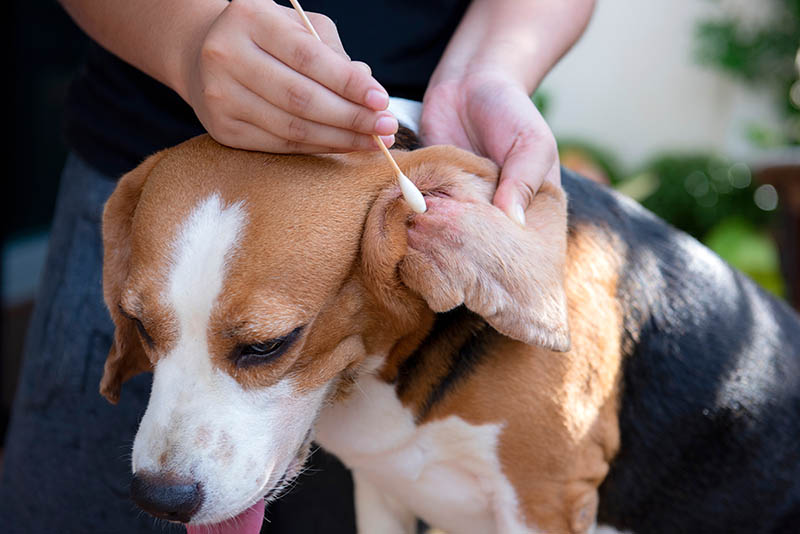
Beagles are soft-eared dogs and, as a result, their ears can become little greenhouses where yeast and bacteria can grow, causing infections, pain and irritability. Ear infections are one of the most common preventable health conditions for beagles.
Regular cleaning of your beagle’s ears with a dry cloth, ear buds and perhaps a recommended safe ear cleaning fluid will keep your beagles ears dry and healthy.
Teeth cleaning
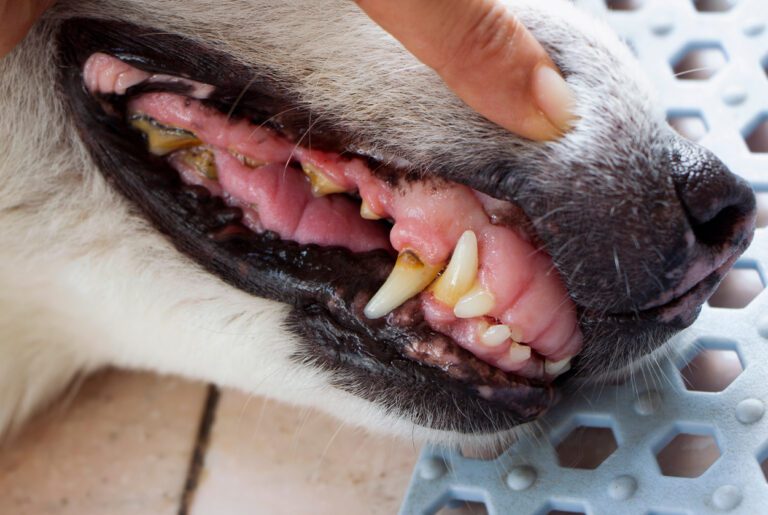
Regular teeth cleaning is essential for maintaining your beagle’s overall health and comfort. Just like humans, dogs can develop plaque and tartar buildup, which can lead to gum disease, tooth loss, and even infections that affect other organs. Regularly brushing your dog’s teeth with a toothbrush and toothpaste specially designed for dogs helps remove plaque before it hardens. In addition to brushing, offering dental chews, safe chew toys, and regular professional cleanings from your veterinarian can further support your beagle’s oral hygiene. Keeping your beagle’s teeth clean not only prevents bad breath but also helps them live a healthier, happier life.
Brushing and grooming
Beagles are a moderate fur shedding breed but the shedding takes place all year round. They have a double coat and the top coat dries and sheds regularly. Their coast also has a quality that allows it to dry and clean even if the beagles has spent time playing in the dirt or mud. Their coat typically does not hold that wet dog smell.
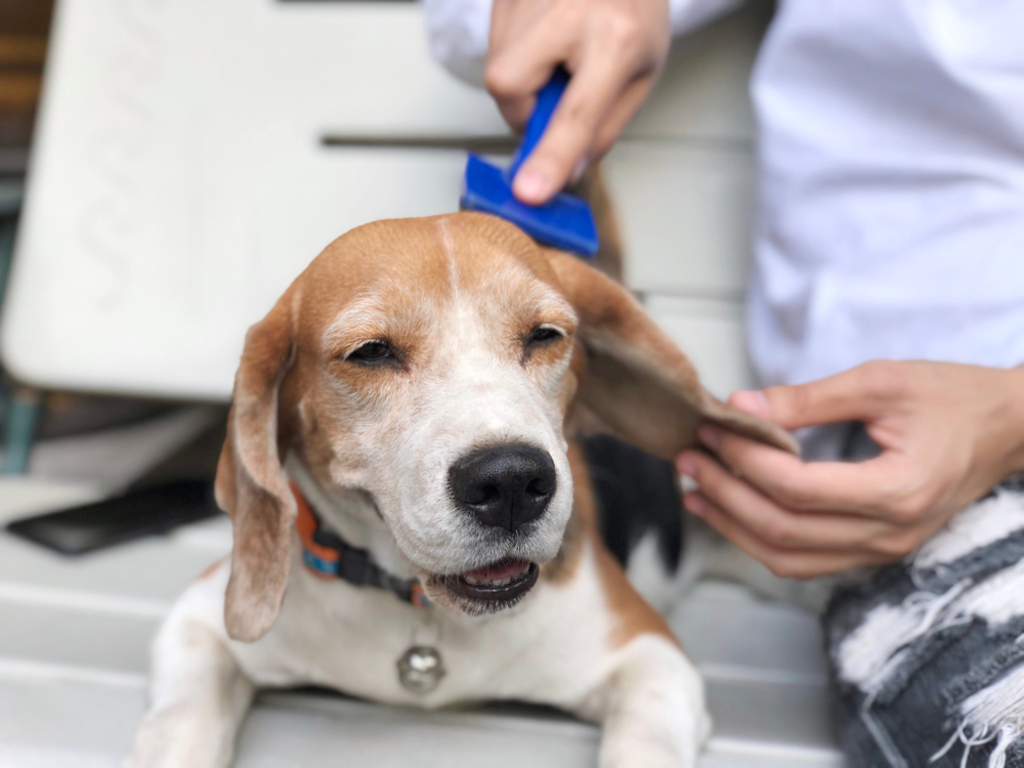
Most beagles do enjoy a good groom and it gives you time to be with your beagle. Washing with a good quality shampoo every four to six weeks should be sufficient. Washing too often can reduce their coat’s natural oils and can cause irritation and dry skin and fur.
It’s beneficial to brush your beagle’s coat regularly, so the fur comes off in the brush, rather that all over the floor or your furniture. There are many good brushes and grooming products available. Contact your local beagle club to get ideas about which products are available.
Vaccinations
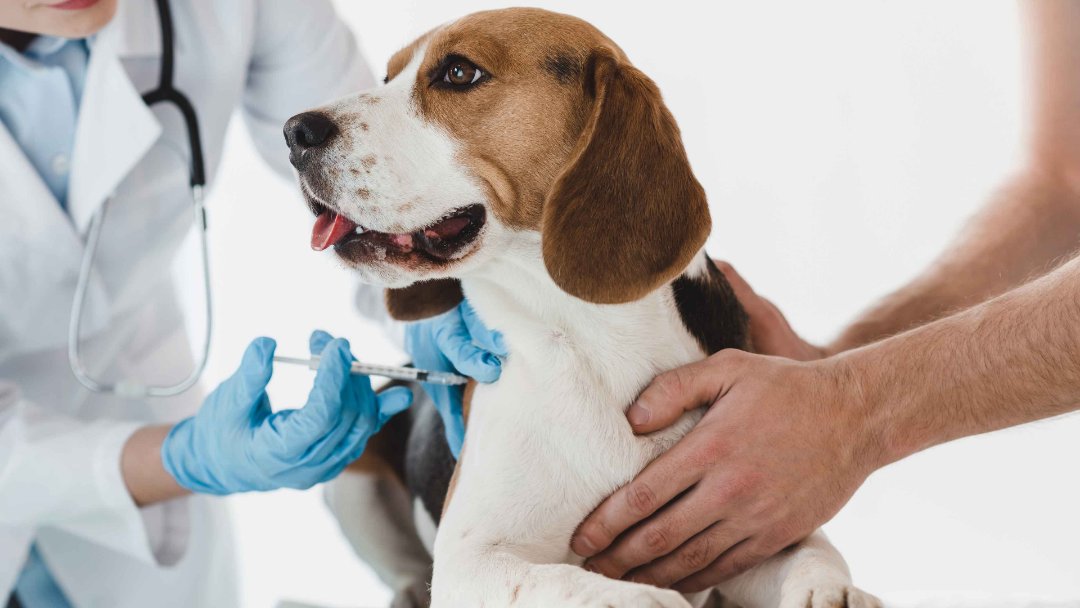
It is important to maintain a vaccination program for your beagle. While there is debate around how frequently your beagle should be vaccinated, it is critical to ensure the levels of antibodies remain at an acceptable level in your beagle. Titre tests for dogs measure the level of antibodies in their blood to assess immunity against diseases like distemper, parvovirus, and hepatitis. They can help determine whether booster vaccinations are truly needed, reducing the risk of over-vaccination.
Your breeder or local beagle club can provide you with advice around vaccination programs for your beagle.
Flea and tick treatment
It is devastating to see your beagle suffer from tick toxicity. It is painful, paralysing and can lead to the death of your beagle if not treated quickly. While some locations may not be prevalent with ticks, ticks can travel and be brought into areas on wildlife.
Fleas can cause irritation, bring diseases and be very difficult to remove once introduced to bedding or your home. Preventing fleas from infesting your beagle and your home is usually easy to prevent. There are many treatments available to prevent your beagle from tick and flea infestations, with many treatments preventing both. Talk to your breeder or local beagle club to find the right treatment to use for your beagle.

Regular vet checks
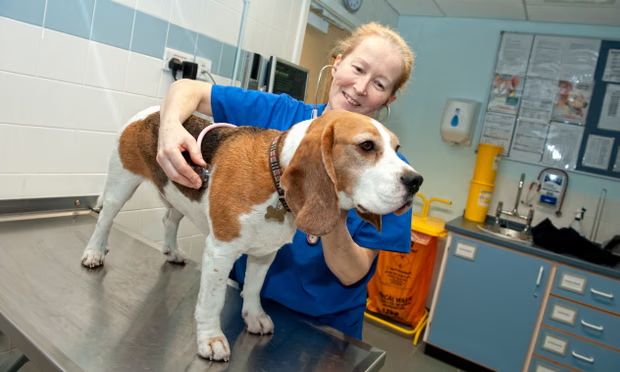
We all need regular check-ups with our local GP to ensure we are healthy and to identify any health issues before they become a problem. It’s the same for your beagle. Regular visits to the vet are important, especially as your beagle gets older. Your vet will provide health assessment, advice on diet, provide vaccinations and other supports to keep your beagle healthy throughout their lives.
A good vet is invaluable for your beagle and your peace-of-mind. Ask your breeder or those around you who have beagles and other dogs who a good vet is in your area.