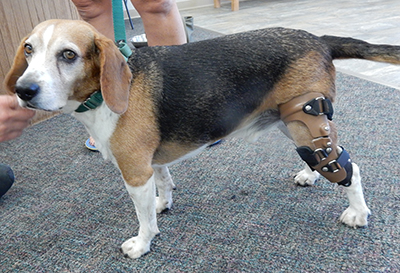
General beagle health considerations
In general, beagles are a very sound breed health wise. Their weight, size, structure and temperament all provide a basis for a healthy dog. Like all animals, there are health considerations and issues that can affect your beagle.
Although the following list may seem extensive, most conditions are rare and preventable. The National Beagle Council (Australia) is dedicated to ensuring those interested in owning a beagle are aware of beagle health and to advocate for responsible breeding.
Obesity
Beagles love their food! They have a very high food drive which can cause beagle owners to overfeed their beagle. The beagle is an active hunting dog, which should be able to run for hours at a time. It is important that you do not overfeed your beagle, as this can cause obesity and other related health problems, including arthritis, heart complications and circulatory issues.
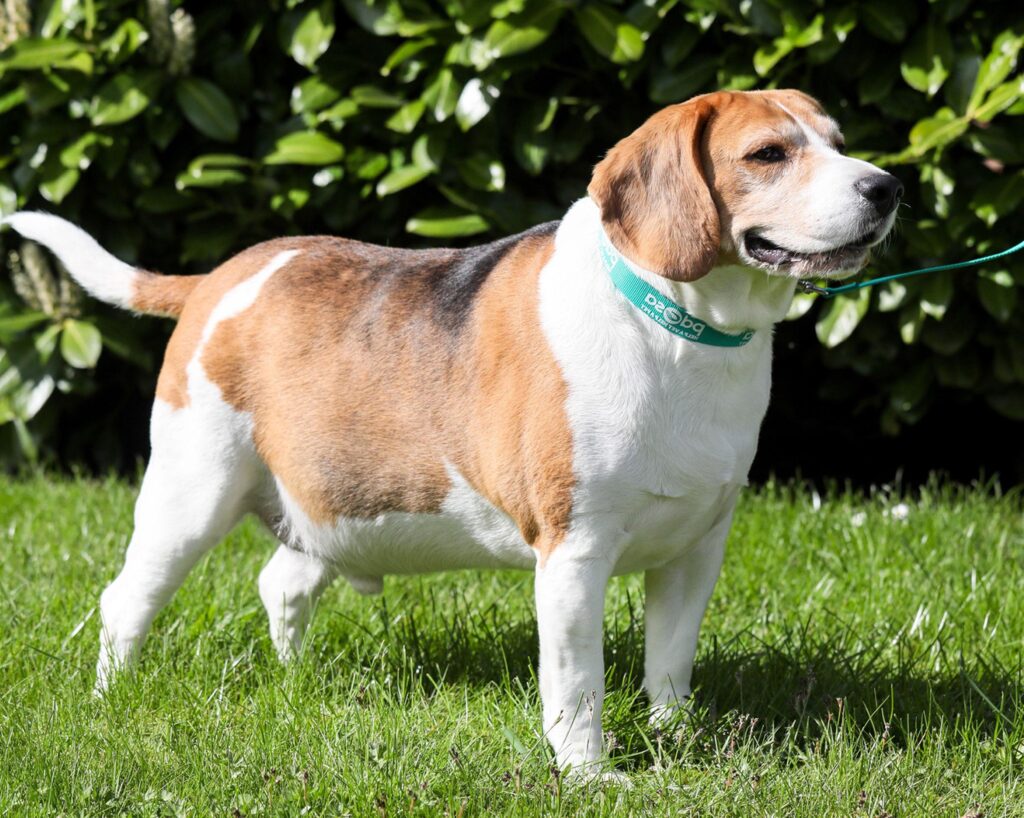
Ear infections
Beagles are a soft-eared breed, meaning their ears hang down over the ear canal, rather than being held up, which can be found in breeds such as Kelpies and German Shepherds. As a result, their ear canal becomes like a greenhouse, holding warmth and moisture.
Soft-eared breeds can often suffer from ear infections, most commonly yeast infections. Ear infections can often be detected by the strong odour produced by the yeast or bacteria causing the infection. Ear canal infections can be very difficult to fix and can cause irritation, pain, excessive scratching, head shaking or even deafness in your beagle. It is important to regularly inspect your beagle’s ears and keep them dry. Medications are available for preventing ear infections and to maintain healthy ears.
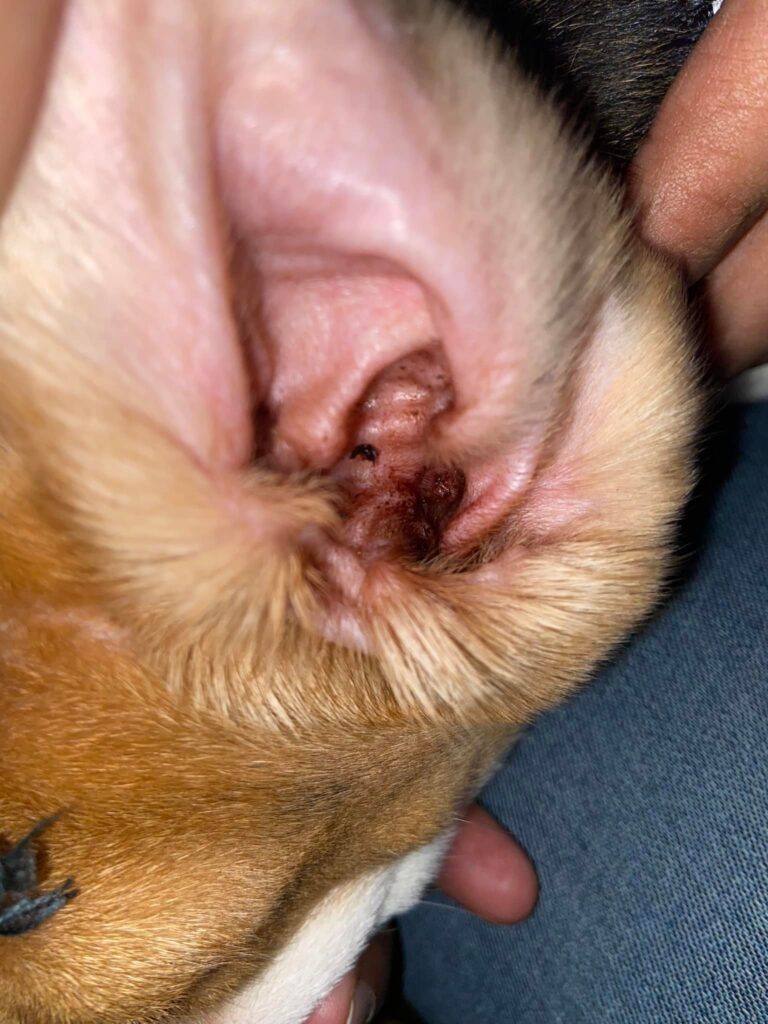
Genetic diseases
There are a number of genetic diseases that can impact a beagle. Many of these are able to be identified through DNA testing. Beagle breeders can test for genetic diseases. In the UK, there are mandatory DNA tests required to be undertaken by registered beagle breeders as part of their breeding program. In Australia, the onus is on individual breeders to determine the DNA tests they wish to undertake for their beagles.
Before you purchase a beagle, consider asking your breeder for information about their testing program and the results.
Cancer
Cancer in beagles, like in many dog breeds, happens when cells in their body start to grow and spread in an uncontrolled way, forming lumps or affecting organs inside. Some common types seen in beagles include lymphoma, which affects the immune system, and mast cell tumours, which often show up as skin lumps. Signs of cancer can be quite different depending on where it is, but might include unexplained weight loss, tiredness, swelling, or changes in appetite. Finding cancer early gives the best chance of treatment, which could involve surgery, medication, or even special cancer-fighting drugs like chemotherapy. While it can be scary, many beagles with cancer still enjoy good quality of life with the right care and support.
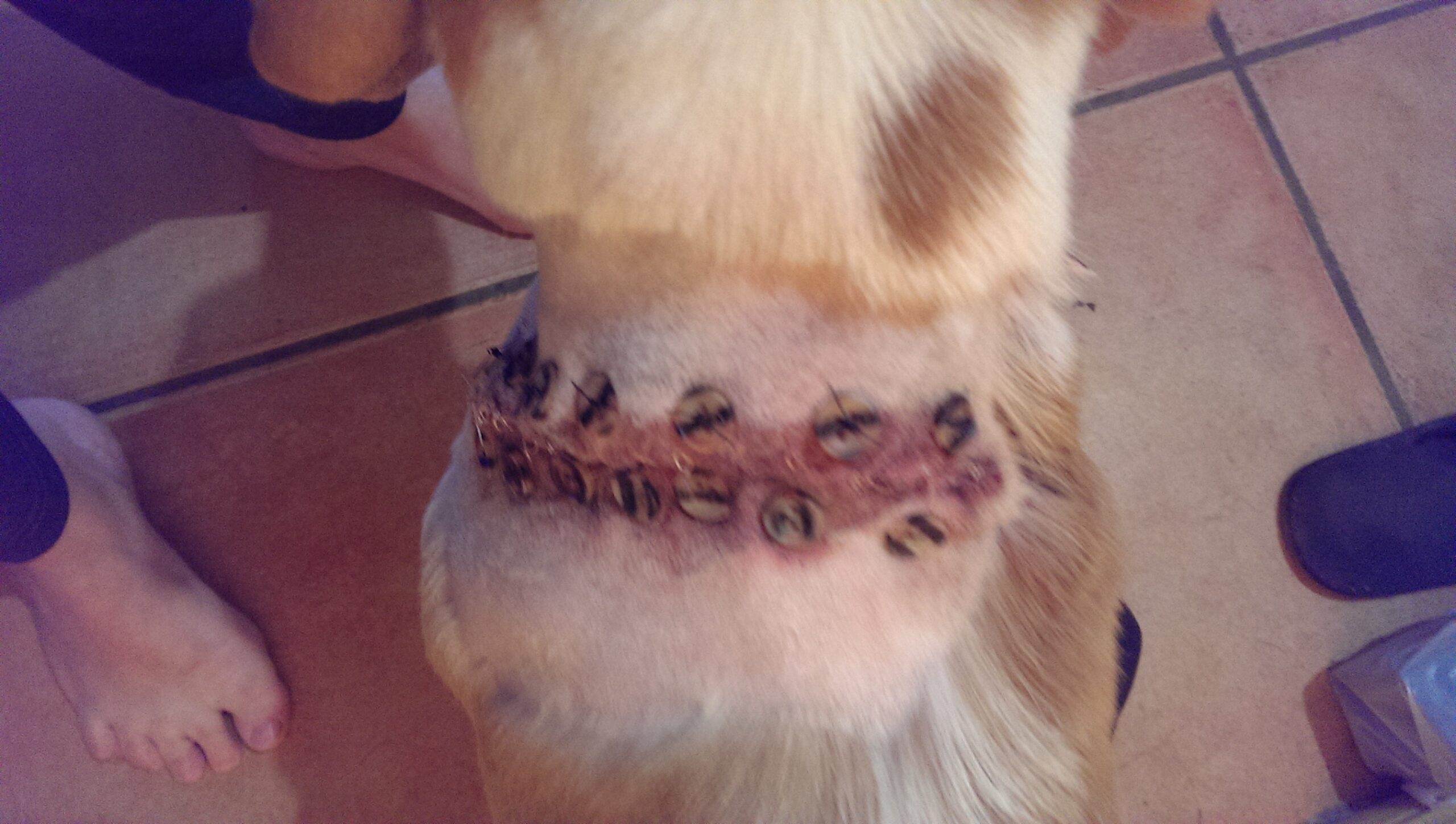
Dry Eye
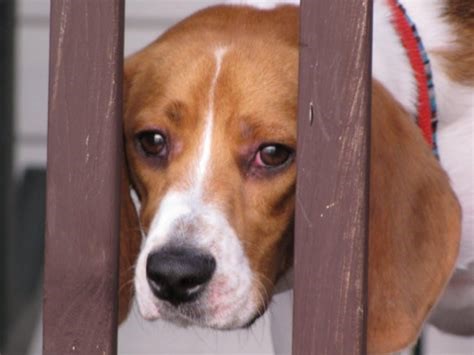
Dry eye is a condition in beagles where their eyes don’t make enough tears to stay moist and healthy. Without enough tears, their eyes can get red, itchy, and develop a thick, sticky discharge. Over time, this dryness can damage the cornea, which is the clear part at the front of the eye, and may even cause vision loss or require removal of the eye if it’s not treated. Dry eye often happens because the immune system attacks the tear glands, but it can also be caused by other issues, like certain medications or injuries. Vets usually treat it with special eye drops to replace the missing tears and medicines to help the dog’s own glands make more tears, so the eyes stay comfortable and protected.
Cherry eye
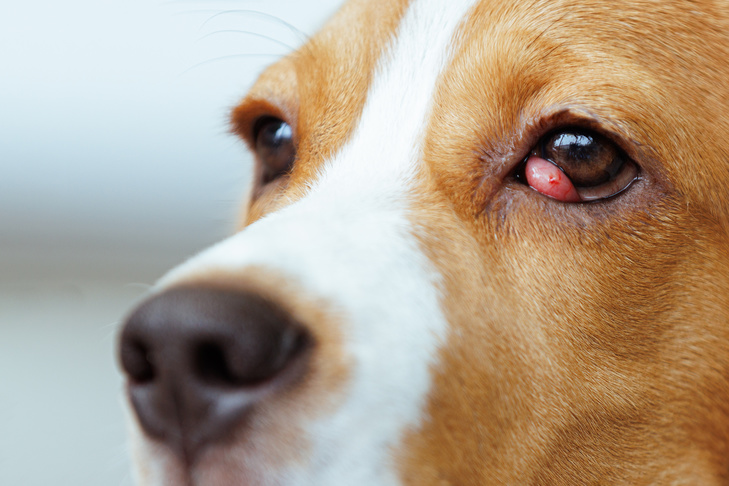
Cherry eye in beagles is a condition where the small gland in the corner of their eye, called the third eyelid gland, slips out of place and becomes red and swollen, looking a bit like a cherry. It usually happens in young dogs and can affect one or both eyes. While it doesn’t usually hurt the dog at first, it can make their eye irritated or watery, and if left untreated, it might lead to bigger problems like infections or dry eye. Vets often fix cherry eye with surgery to put the gland back where it belongs, which helps keep the dog’s eye healthy and comfortable.
Arthritis
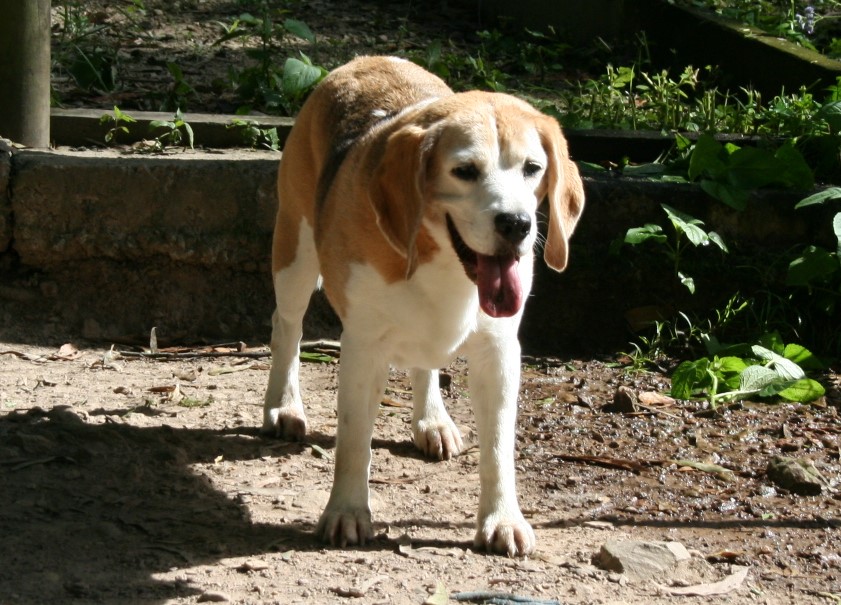
Arthritis in beagles is a common problem, especially as they get older, where their joints become stiff, swollen, and painful. This happens because the smooth cartilage that cushions the bones wears down over time, making it harder for the joints to move smoothly. A beagle with arthritis might walk more slowly, limp, struggle to climb stairs, or seem less playful than before. While arthritis can’t be cured, vets can help manage it with pain-relief medicine, joint supplements, gentle exercise, and sometimes special diets to help keep the dog at a healthy weight. These treatments can make a big difference in helping a beagle stay active and comfortable.
Epilepsy
Epilepsy can be found in beagles. The severity of the seizures can be mild through to life-threatening. These seizures can look like shaking, stiffening, or even the dog collapsing and paddling their legs. Epilepsy often starts when beagles are young adults, usually between two and five years old. While it can be scary to watch, many beagles with epilepsy can still live happy lives with the help of regular vet check-ups and daily medication to help control the seizures. It’s important for owners to stay calm during a seizure and keep their dog safe from injury until it passes.
Anterior Cruciate Ligament damage
An ACL injury in beagles usually means a tear or rupture of the anterior cruciate ligament (more correctly called the cranial cruciate ligament, or CCL, in dogs), which helps keep the knee stable. When this ligament tears, often during running, jumping, or playing, a beagle might suddenly start limping or hold one back leg up off the ground. Over time, this injury can make the knee painful and swollen and may lead to arthritis if it’s not treated. Vets often recommend surgery to fix the ligament and help the dog walk normally again, along with rest and physical therapy during recovery. Keeping a beagle at a healthy weight and giving them regular, gentle exercise can also help protect their joints from this kind of injury.