
While beagles are known as a sound and healthy breed, Like all animals, there are some rare genetic conditions and diseases which can exist in the breed. While some of these diseases are slightly more common, most these diseases affect less than 1% of the breed.
The Kennel Club of the UK require all breeders to test for a number of genetic diseases in each breed. For beagles, the following DNA tests are required for registered UK beagle breeders for their litters:
- Factor VII Deficiency
- Imerslund-Gräsbeck syndrome/Cobalamin malabsorption (IGS)
- Musladin-Lueke syndrome (MLS)
- Neonatal cerebellar cortical degeneration (NCCD)
In Australia, there is no requirement for registered beagle breeders to undertake mandatory DNA testing. Many beagle breeders in Australia do undertake DNA testing of a number of diseases as part of their breeding program. Breeders will then weigh up the risk of producing beagles affected by the disease, the impact of the disease on the beagle and other considerations such as the breed standard, temperament and overall health. Ask your breeder for details of DNA tests undertaken as part of their breeding program so they can provide you with information to assist with your decision making around from which breeder to purchase your beagle.
In many instances where a genetic disease is found within beagles, there is limited information relating to the impact of the disease on the breed. There may be a number of reasons for this:
- The identification of the disease is relatively new. As a result, there has not been sufficient time for extensive research or results;
- The prevalence of the disease within the breed is too small to enable extensive research
- The impact of the disease on the breed is minimal. As a result, extensive research into the disease has not been warranted;
The following are known genetic canine diseases that affect beagles. Provided is the name of the disease, the parts of the beagle impacted by the disease, the availability of a DNA test for the disease and research into the disease within beagles.
Catalase Deficiency
Catalase Deficiency is a rare genetic disorder found in some Beagles. Catalase is an important enzyme in the body that helps break down harmful substances called hydrogen peroxide, which can damage cells if they build up. When a dog doesn’t have enough catalase, these harmful substances can cause problems, especially in the immune system and certain tissues. Dogs with this deficiency might have a harder time fighting infections or healing wounds. Since it’s caused by a genetic mutation, breeders can use genetic tests to identify affected dogs and reduce the chance of passing it to puppies.
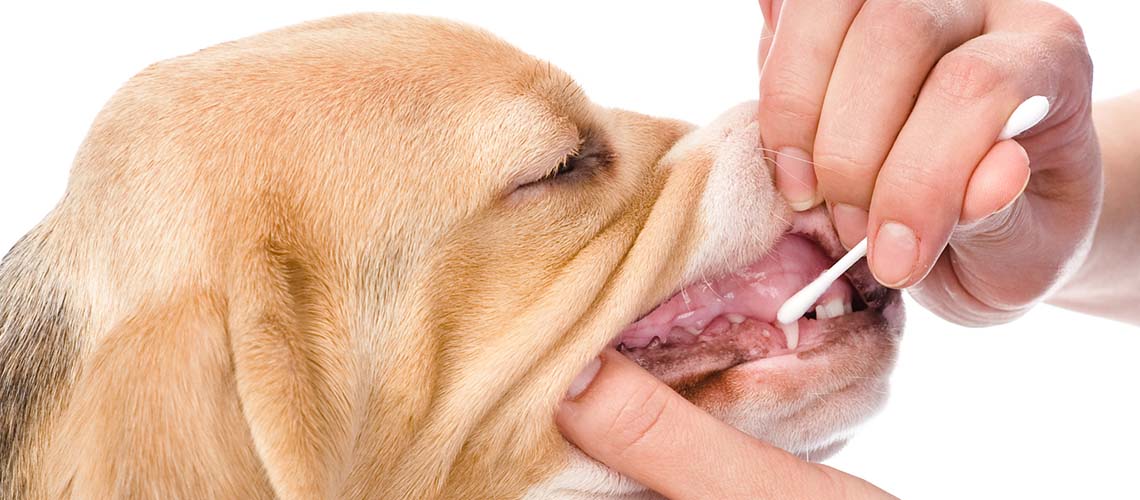
Chondrodystrophy
Chondrodystrophy is a genetic condition seen in Beagles that affects how their bones grow, especially in their legs and spine. It causes dogs to have shorter, curved legs and a longer back, which gives them their distinctive “low to the ground” look. While this body shape is part of what makes Beagles look so unique, it also increases their risk of intervertebral disc disease (IVDD) — a problem where the discs in the spine can slip or rupture, leading to pain or even paralysis. Chondrodystrophy is linked to a specific gene change, so breeders can test their dogs to better understand and manage these health risks.
Congenital Stationary Night Blindness (CSNB)
Congenital Stationary Night Blindness (CSNB) is an eye disorder that some Beagles are born with. Dogs with CSNB can’t see well — or sometimes at all — in low light or at night, even though their vision during the day might be normal. This happens because there’s a problem with the retina, the part of the eye that senses light and helps create images. Since the condition is congenital, it’s there from birth, and “stationary” means it doesn’t get worse over time. CSNB is caused by a genetic mutation that can be passed from parent dogs to their puppies. While there isn’t a cure, dogs with CSNB can often live happy lives, especially if their owners keep them safe when it’s dark.
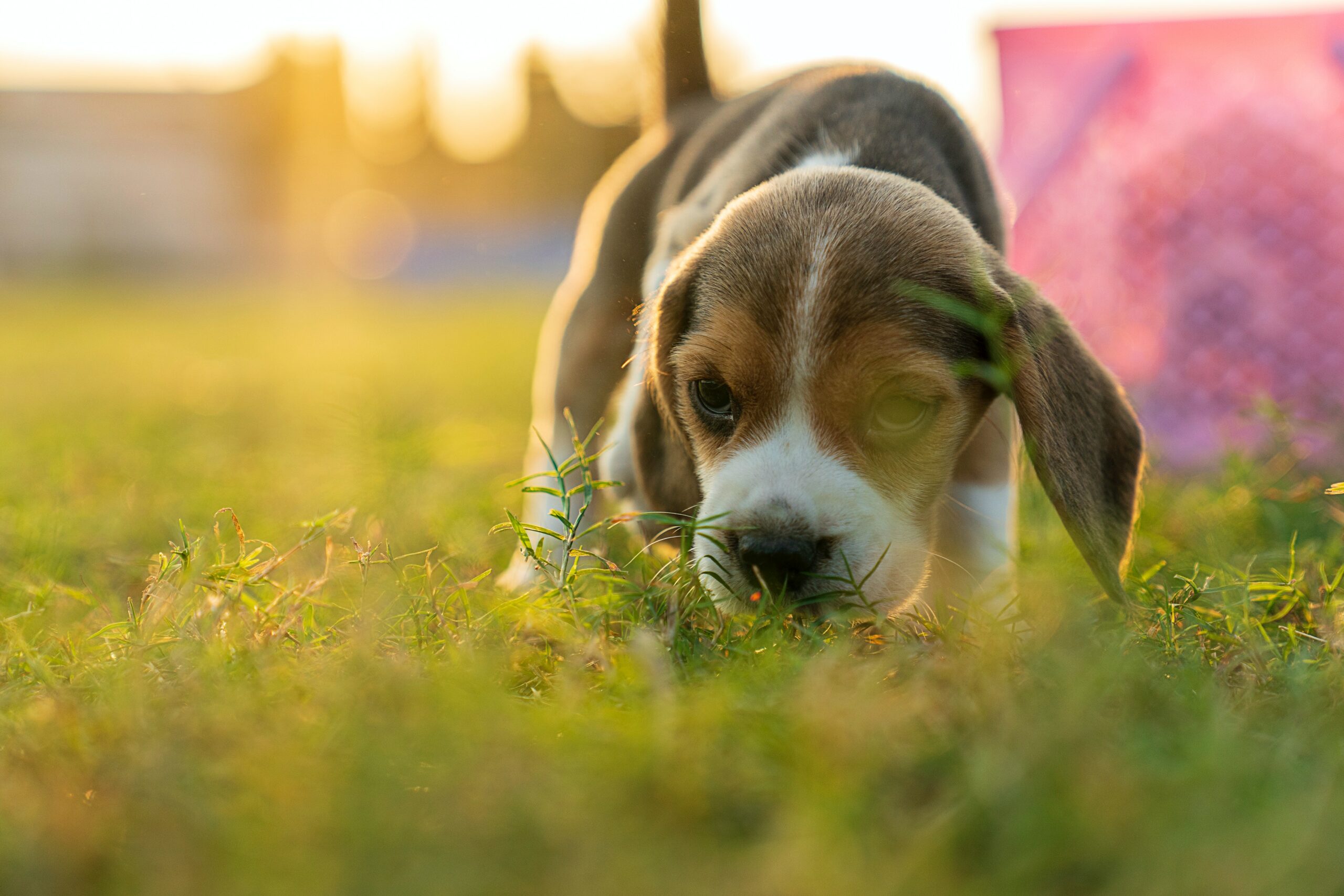
Degenerative Myelopathy
Degenerative Myelopathy (DM) is a serious disease that affects the spinal cord of some Beagles. It usually starts when dogs are older, around 7 years or more. DM causes the nerves in the spinal cord to slowly stop working, which makes the dog’s back legs get weaker and harder to move. At first, the dog might just seem clumsy or have trouble walking, but over time, they can lose the ability to walk altogether. The disease gets worse over time and there’s no cure, but special care and physical therapy can help dogs stay comfortable longer. DM is caused by a genetic mutation, so breeders can test their dogs to avoid breeding dogs that might pass it on.
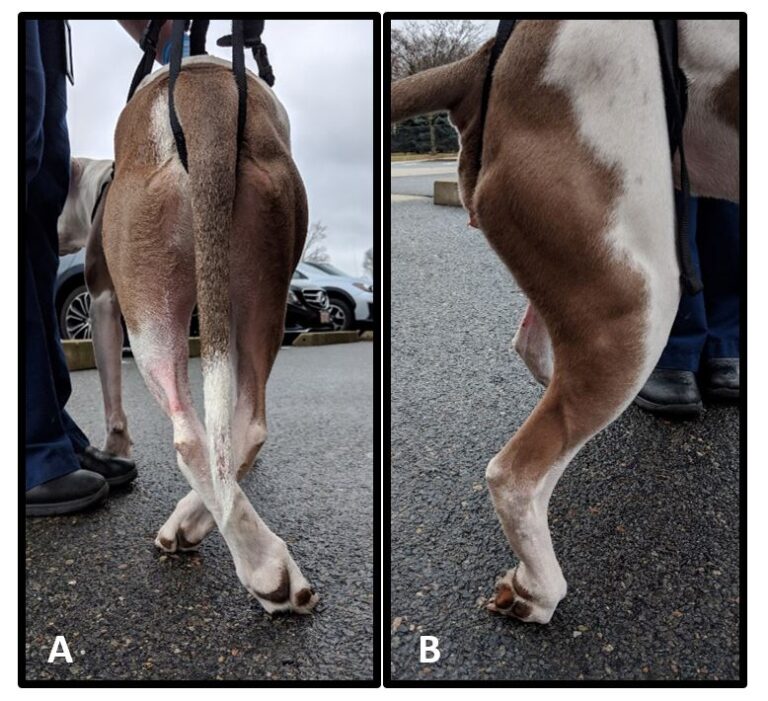
Exercise Induced Collapse
Exercise Induced Collapse (EIC) is a genetic condition that can sometimes affect Beagles and other dog breeds. Dogs with EIC can seem perfectly healthy most of the time, but after lots of intense exercise or excitement, they may suddenly become weak, wobble, or even collapse. These episodes usually happen when the dog is very active, like during running or playing, and can last for several minutes. Most dogs recover if they’re allowed to rest and cool down, but it can still be scary to watch. EIC is caused by a mutation in a gene that affects how signals travel along the nerves to the muscles. Breeders can use genetic testing to find out if dogs carry this gene and help prevent passing it on to new puppies.

Factor VII Deficiency
Factor VII deficiency is a rare blood clotting disorder that affects some Beagles. Factor VII is a special protein in the blood that helps wounds stop bleeding by forming clots. When a dog has this deficiency, it doesn’t have enough of this protein, so it can take longer for bleeding to stop after an injury or surgery. Most dogs with this condition seem healthy in daily life, but they might bruise easily or bleed more than normal if they get hurt or need an operation. Factor VII deficiency is caused by a genetic mutation passed down from both parents, so breeders can use genetic tests to find out if their dogs carry the faulty gene and help prevent passing it on to puppies.

Imerslund-Gräsbeck Syndrome (IGS)
Imerslund-Gräsbeck Syndrome (IGS) is a rare inherited disorder that affects how some Beagles absorb vitamin B12 from their food. Vitamin B12 is important because it helps the body make healthy red blood cells and keeps the nervous system working properly. Dogs with IGS can’t take in enough B12 from their diet, which can make them weak, tired, or cause them to grow poorly. Some may also develop anemia, where they don’t have enough healthy red blood cells. The good news is that with regular B12 injections, affected dogs can live normal, happy lives. IGS is caused by a genetic mutation, so breeders can use genetic tests to help stop it from being passed to new puppies.
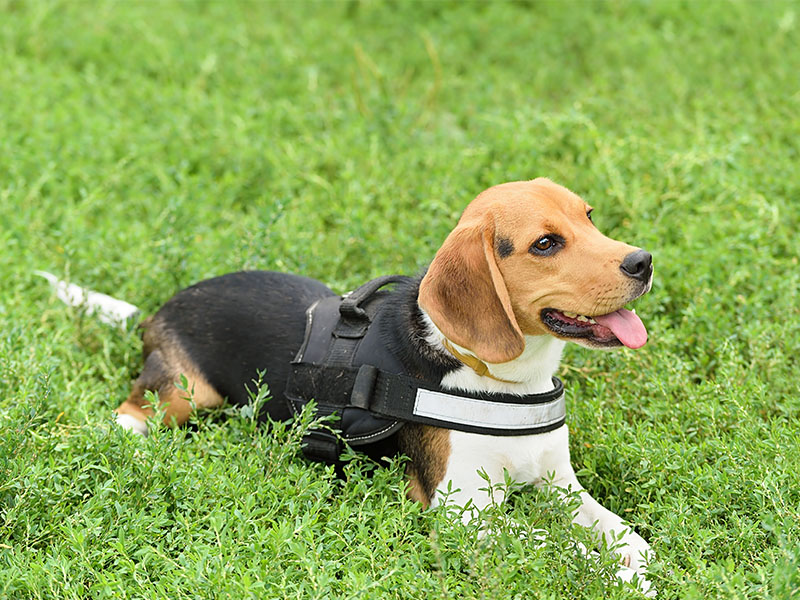
Lafora Disease
Lafora disease is a rare but serious genetic disorder that affects the brain of some Beagles. It usually starts to show up when dogs are around 5 to 7 years old. Dogs with Lafora disease develop epileptic seizures, muscle jerks, and can become clumsy or confused over time. This happens because tiny clumps of abnormal sugar, called Lafora bodies, build up in the brain’s nerve cells and stop them from working properly. Sadly, Lafora disease gets worse as the dog gets older and there isn’t a cure. Since it’s caused by a genetic mutation, breeders can use genetic tests to help prevent passing it on to puppies.
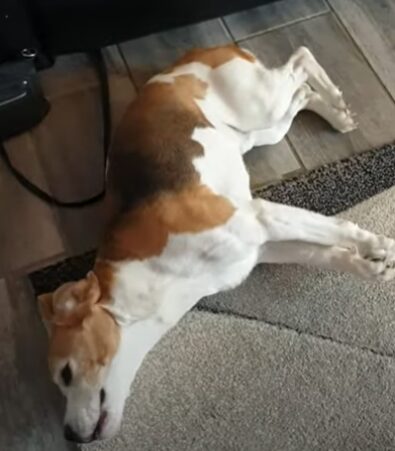
Musladin-Lueke Syndrome (MLS)
Musladin-Lueke Syndrome (MLS) is a rare genetic condition mostly found in Beagles. It affects the body’s connective tissue, which is the tissue that helps hold skin, muscles, and organs together.
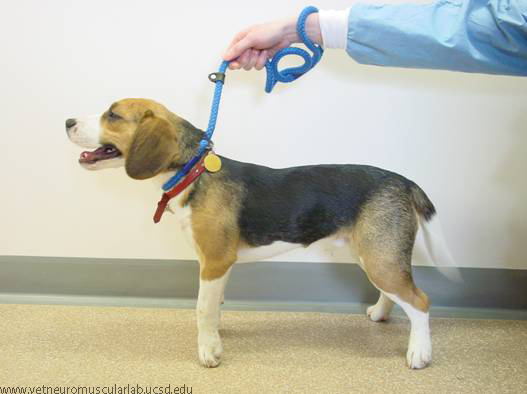
Neonatal Cerebellar Cortical Degeneration (NCCD)
Neonatal Cerebellar Cortical Degeneration (NCCD) is a rare brain disorder seen in some Beagle puppies. It affects a part of the brain called the cerebellum, which helps control balance and coordination. Puppies born with this condition often look normal at first, but within a few weeks they start to show signs like wobbly walking, trouble keeping their balance, and sometimes head tremors. This happens because the brain cells in the cerebellum start to die off soon after birth. Sadly, there isn’t a cure, and affected puppies usually don’t live long. NCCD is caused by a genetic mutation passed down from both parents, so breeders use genetic testing to try to stop it from spreading in Beagle lines.
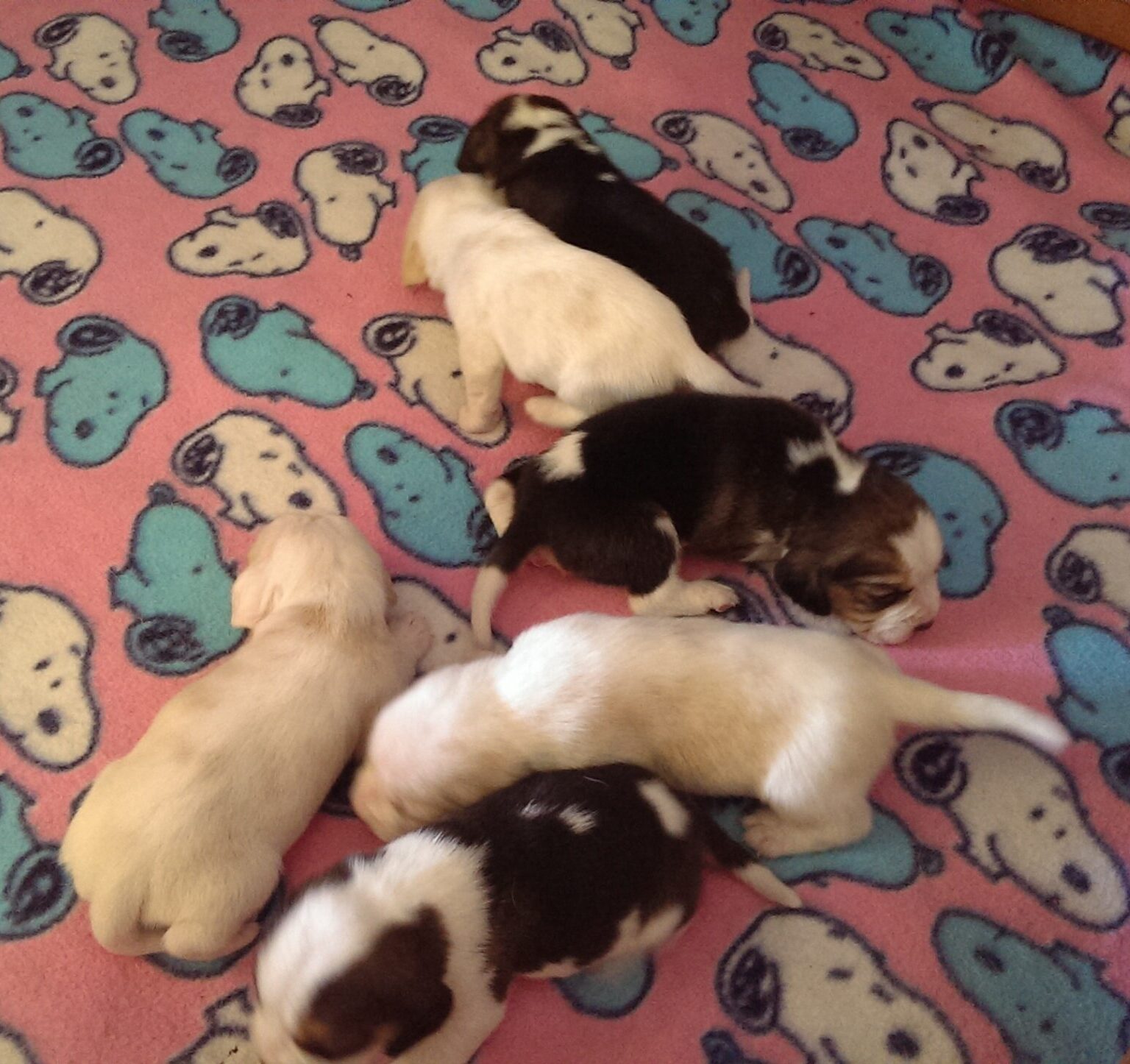
Primary Open Angle Glaucoma (POAG)
Primary Open Angle Glaucoma (POAG) is an eye disease that affects some Beagles and can eventually lead to blindness. It happens when the fluid inside the eye doesn’t drain properly, which causes the pressure inside the eye to get too high. Over time, this extra pressure damages the optic nerve, which is what carries visual information from the eye to the brain. At first, POAG might not show obvious signs, but dogs can start bumping into things, have cloudy eyes, or show signs of pain like squinting. POAG is genetic, meaning it’s passed down from parents to puppies, so breeders often use genetic testing to help reduce the risk of puppies being born with this painful condition.
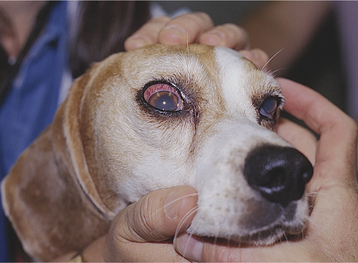
Progressive Retinal Atrophy (PRA)
Sometimes known as Cone Rod Dystrophy, Progressive Retinal Atrophy (PRA) is an eye disease that affects some Beagles and slowly leads to blindness. It happens because the retina, which is the part of the eye that senses light, starts to break down over time. At first, dogs with PRA may have trouble seeing at night or in dim light, but eventually, they lose their vision completely. PRA usually doesn’t cause pain, but it can change how a dog moves around and interacts with its surroundings. The disease is genetic, which means it’s passed down from parents to puppies. Because of this, breeders often use genetic testing to help reduce the risk of PRA in future litters.
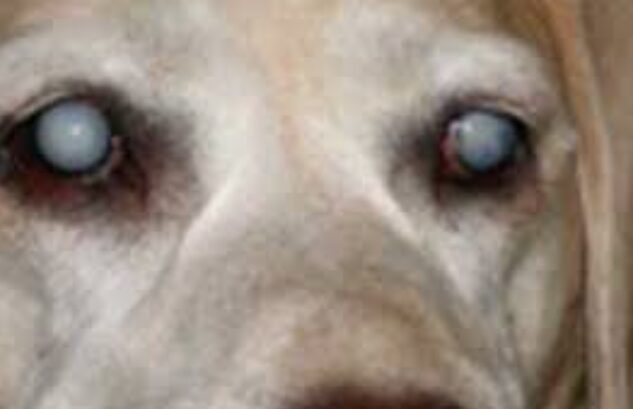
Pyruvate Kinase Deficiency (PKDef)
Pyruvate Kinase Deficiency (PK deficiency) is a rare genetic disorder that affects the red blood cells in some Beagles. Pyruvate kinase is an enzyme that helps red blood cells get the energy they need to stay healthy. When dogs don’t have enough of this enzyme, their red blood cells break down too early, leading to anemia — a condition where the blood can’t carry enough oxygen around the body. Dogs with PK deficiency may get tired easily, look pale, or have trouble keeping up with normal activities. Sadly, the disease gets worse over time and there isn’t a cure. Because it’s caused by a genetic mutation, breeders can use genetic testing to help prevent passing it on to puppies.